The Transformative Power of Integrated Forest Settings: Enhancing Residential Dynamics and Health
Viridā Nature Estates

Integrated forest settings transform residential dynamics and health.
Published: 2 June 2024 by Viridā Nature Estates
Insights / Nature / 01
# Green Influence
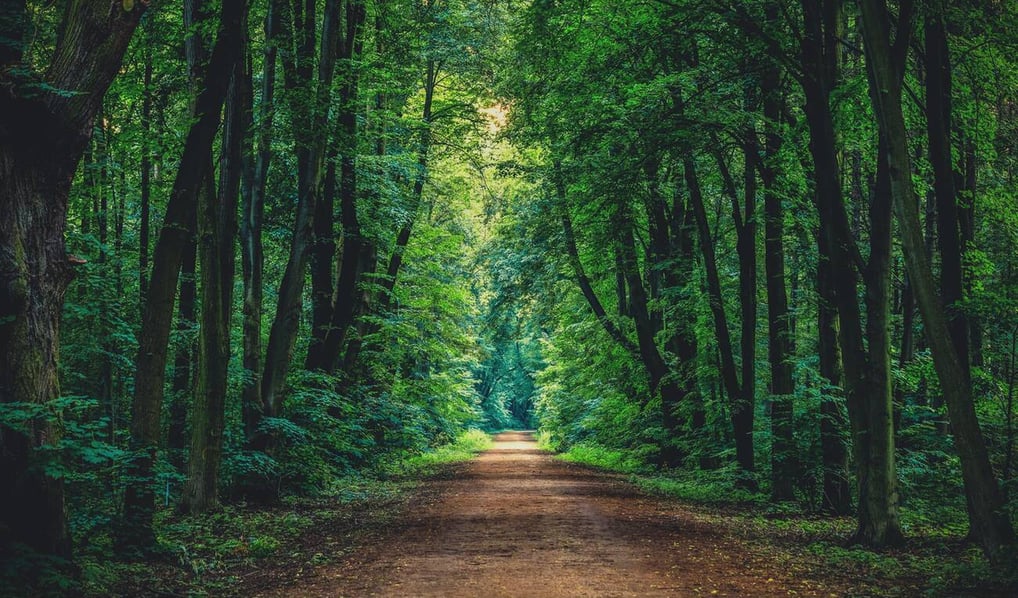
As urbanisation continues to reshape cities, the integration of natural elements into residential areas has become increasingly vital. Forests and green spaces not only enhance aesthetic appeal but also significantly improve residents' quality of life. This article delves into the transformative power of integrated forest settings, exploring their benefits for health, biodiversity, and community well-being.
Attracting Natural Habitats
Selecting tree species that attract natural habitats, such as birds, squirrels, and hares, is crucial for creating a thriving forest ecosystem. Species like the Indian fig, neem tree, and banyan tree attract various bird species, while fruit trees like mango and orange attract squirrels and hares. A notable example of successful habitat attraction is the Miyawaki forest in Japan. Developed by botanist Akira Miyawaki, this technique involves planting a dense mix of native tree species in a small area, creating a self-sustaining ecosystem that mimics natural forests. Miyawaki forests attract a wide range of wildlife, including birds, insects, and small mammals.
Impact on Health
Integrating forests into residential areas profoundly impacts people's health. Studies show that exposure to nature reduces stress levels, improves mental health, and lowers blood pressure. Green spaces encourage physical activity, such as walking or jogging, which is crucial for good health. The Bosco Verticale (Vertical Forest) in Milan, Italy, is an example of a man-made forest with a positive impact on human health. This residential building, covered in trees and shrubs, improves air quality, reduces noise pollution, and provides a calming environment for residents; furthermore, fostering a deeper connection with nature through integrated forests.
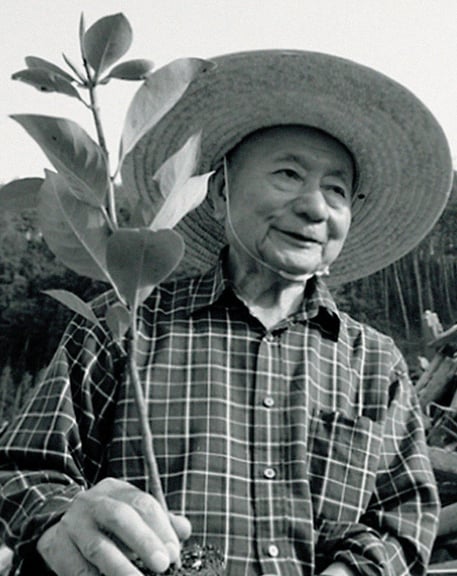
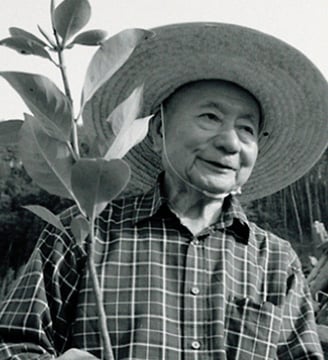
Dr. Akira Miyawaki, a renowned botanist and ecologist, is celebrated for his pioneering work in forest restoration and urban greening. Discover an enchanting interview with Dr. Miyawaki on Atmos.
Image credit: Atmosphere
Rain and Farming
Rainfall is essential for maintaining a healthy forest ecosystem. Adequate rainfall ensures that trees receive necessary water, and the soil remains fertile for farming. In areas with limited rainfall, rainwater harvesting systems can supplement the natural water supply. Sustainable farming practices and organic methods also help maintain soil and forest health. The Afforestt initiative by Shubhendu Sharma in India demonstrates the positive impact of man-made forests on farming. Using the Miyawaki method, urban forests have improved soil quality and increased crop yields for farmers.


Subhendu Sharma is the founder of Afforest, a pioneering organisation that uses the Miyawaki methodology to create self-sustainable forests across India. Explore a captivating feature showcasing Shubhendu Sharma on thebetterindia.com.
Image credit: The Better India
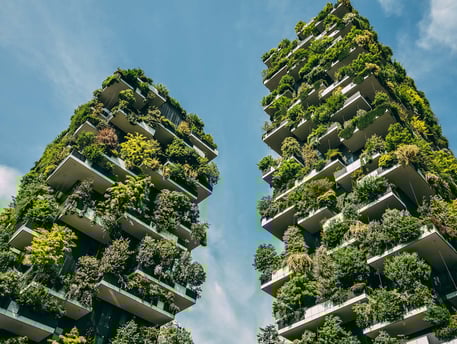

Explore further insights into Bosco Verticale / Boeri Studio, the Vertical Forest in Milan, on We Build Value.
Image credit: We Build Value
Improved Air Quality
Forests play a critical role in purifying the air. Trees and plants absorb carbon dioxide and other pollutants, including sulphur dioxide and nitrogen dioxide, while releasing oxygen through the process of photosynthesis. This natural filtration system helps to remove harmful substances from the air, improving overall air quality and reducing the risk of respiratory problems such as asthma and bronchitis. Urban forests can be particularly effective in combating pollution in densely populated areas, providing a natural buffer against industrial emissions and vehicular exhaust.
Reduced Noise Pollution
In addition to their air-purifying capabilities, forests act as natural sound barriers, significantly reducing noise pollution. The dense foliage of trees absorbs, deflects, and refracts sound waves, creating a quieter and more peaceful environment. This reduction in noise pollution is especially beneficial in urban areas, where constant traffic and industrial noise can contribute to stress, sleep disturbances, and other health issues. By incorporating forests into residential spaces, the overall quality of life is enhanced through the creation of tranquil and serene surroundings.
Enhanced Biodiversity
Forests provide essential habitats for a diverse range of plant and animal species, significantly enhancing biodiversity. The variety of flora and fauna in forested areas supports intricate ecosystems, promoting ecological balance and resilience. This biodiversity is crucial for the health of the environment, as different species play specific roles in maintaining the stability and productivity of ecosystems. Additionally, forests serve as vital corridors for wildlife, allowing animals to migrate, reproduce, and thrive in their natural habitats. Protecting and integrating forests into residential areas ensures the preservation of these critical ecosystems and their inhabitants.
Better Community Engagement
Forests and green spaces offer valuable opportunities for community engagement and social interaction. These natural areas provide common grounds where residents can gather, participate in recreational activities, and connect with one another. Community events, such as nature walks, outdoor yoga sessions, and gardening clubs, foster a sense of belonging and strengthen social ties. Forests serve as inclusive spaces that bring people together, promoting a sense of community and collective stewardship of the environment.
The presence of forests and green spaces in residential areas has been shown to increase property values. Homes and properties situated near well-maintained forests or parks are often more attractive to potential buyers, who value the aesthetic and recreational benefits these natural areas provide. The lush greenery and scenic beauty of forests contribute to a higher perceived quality of living, making these areas more desirable and driving up real estate prices. This increase in property values can also have positive economic implications for the community, fostering investment and development.
Viridā Nature Estates is dedicated to creating a natural forest that brings the countryside feel to the Hyderabad suburbs. By incorporating integrated forest settings into residential areas, the aim is to enhance the overall quality of life for residents. Commitment to sustainability and eco-friendliness ensures that the forest ecosystem is maintained and preserved for future generations.